VelocityBlog
Proxmox Virtual Environment – a practical guide for Australian small & medium businesses
Published:
Updated:
December 18, 2025
December 18, 2025
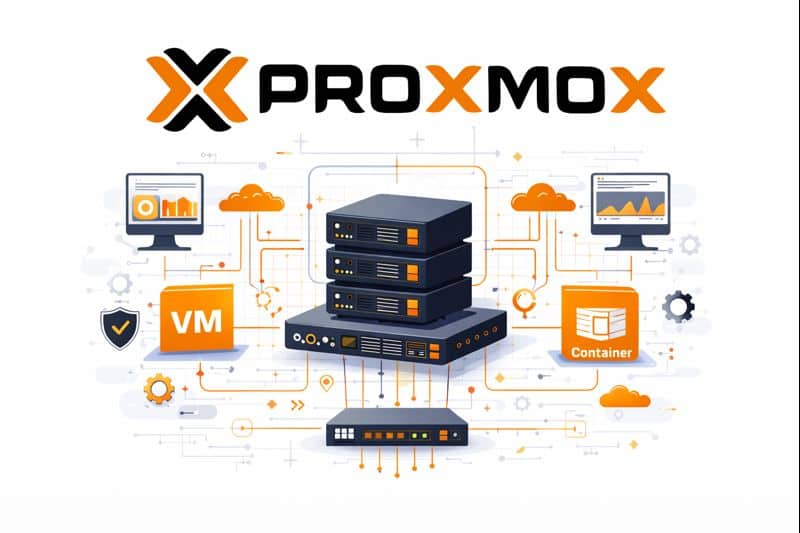
Proxmox Virtual Environment (Proxmox VE) is an open-source, Debian-based virtualisation platform that combines full virtual machines (KVM/QEMU) and lightweight Linux containers (LXC) behind a single web-based management interface. Proxmox bundles clustering, high-availability (HA), software-defined storage options (including Ceph), networking and built-in backup tooling, making it a full stack that’s attractive to businesses that want strong control over their infrastructure without the large licensing costs that are typically attached.
Below, I’ll explain how Proxmox compares to the most common alternatives (VMware vSphere/ESXi, Microsoft Hyper-V, Nutanix AHV and Citrix/XCP-ng), show an easy-to-read comparison table, and finish with practical recommendations for Australian SMBs.
Quick summary – where Proxmox shines
- Cost & transparency: Proxmox is free to download and use; paid subscriptions are optional and add access to enterprise repositories and vendor support. That makes it attractive where licensing budgets are tight.
- Flexibility: Because Proxmox is Linux-based (Debian) and uses KVM + LXC, Proxmox plays nicely with a wide range of hardware and open-source tooling.
- All-in-one: One web UI manages VMs, containers, storage, clustering and backups – useful for lean IT teams who want to avoid gluing multiple products together.
How Proxmox compares to other platforms
Proxmox vs VMware vSphere / ESXi
VMware is the market-leader for enterprise virtualisation with a mature ecosystem (vCenter, NSX, vSAN, tight vendor certification). That enterprise polish brings higher cost and vendor lock-in. Proxmox provides many of the same core capabilities (VM life-cycle, clustering, HA, snapshots, software-defined storage options) but with an open model and far lower entry costs. For SMBs that don’t require VMware’s advanced ecosystem, Proxmox can deliver similar day-to-day value while keeping licensing predictable.
Proxmox vs Microsoft Hyper-V
Hyper-V is tightly integrated with Windows Server and the Microsoft ecosystem – great for organisations heavily invested in Active Directory, System Center or Azure. Proxmox is platform-agnostic and excels when you want strong Linux/container support or greater control over storage backends. Hyper-V may be simpler for Windows-only shops; Proxmox is a stronger pick for mixed Linux/Windows workloads or where open-source tooling is preferred.
Proxmox vs Nutanix AHV
Nutanix AHV is part of a hyperconverged, enterprise offering with heavy automation, data locality and certified hardware stacks. It’s engineered for scale, predictable performance and enterprise support — at an enterprise price. Proxmox can be combined with Ceph and commodity hardware to achieve resilient storage and scale-out designs, but it requires more hands-on design and operations. For larger organisations with strict SLAs and a preference for a single-vendor HCI solution, Nutanix is compelling; for cost-conscious SMBs that can tolerate more DIY solutions, Proxmox delivers much of the same capability for a fraction of the cost.
Proxmox vs Citrix/XCP-ng (and other KVM/Xen options)
XCP-ng and Citrix Hypervisor are solid, open alternatives focused on performance and VDI use cases. Proxmox’s advantage is the unified web UI and integrated container support (LXC) plus tight integration with Proxmox Backup Server and Ceph. Choice often comes down to specific workload needs and team familiarity.
Cost considerations
Proxmox allows you to run production without paying per-CPU licenses – you pay only if you want enterprise repositories and vendor support. That can materially reduce ongoing costs for SMBs, especially compared with VMware’s licensing. However, remember that “free” software still has operational costs: staff time, backups, monitoring and potentially third-party support if you prefer SLA guarantees.
Practical recommendations for Australian SMBs
- If you need low TCO and control, Choose Proxmox. It’s cost-effective and flexible (good fit when you have Linux skills or a managed service partner). Combine with Proxmox Backup Server and Ceph (or SAN/NAS) for a resilient stack.
- If you’re Microsoft-centric: Use Hyper-V for tight integration with AD and Azure, especially if you already have Windows Server licensing.
- If you need enterprise SLAs and hardware-certified HCI: Consider VMware or Nutanix, but budget for higher licensing and support costs.
- Local support: For mission-critical workloads, weigh the value of local Australian managed service providers who can operate Proxmox for you (so you get low licensing cost plus SLA-backed operations).
Proxmox VE is an attractive virtualisation platform for Australian SMBs because it offers enterprise-capable features at a far lower licensing cost, and with a strong focus on open tooling and containers. It isn’t a “plug-and-forget” turnkey HCI appliance like Nutanix, and it lacks some of the advanced enterprise integrations of VMware — but for many small and medium businesses that want value, flexibility and control, Proxmox is an excellent choice.
Email Us...
Reading Time: 2 minutesFor people and businesses who give a S#!T about their data! As a #Truenas partner and #ZFS fanboy, I’ve noticed over the years there is nothing here in Oz that caters for native ZFS replication from source > target on public cloud. Unless you personally deploy 2+ x ZFS servers…
Reading Time: 2 minutesYour website is s a critical business asset. Whether you’re selling products, generating leads, or promoting your brand, the performance, security, and reliability of your site directly affect your business success. That’s where managed WordPress hosting in Australia becomes essential. Unlike shared web hosting, which simply gives you server space,…
Reading Time: 3 minutesFor small and medium business (SMB) owners, analytics should provide clarity and not confusion. You want to understand where your leads come from, what pages convert, and how customers move through your website. But many business owners find themselves overwhelmed by dashboards, reports, and data they never use. Two of…
Reading Time: 5 minutesIn an age where digital operations form the backbone of business success, the question isn’t whether a disaster will strike, but when. From cyber attacks and hardware failures to natural disasters and human error, the threats to business continuity are numerous and evolving daily. Disaster Recovery as a Service (DRaaS)…
Reading Time: 5 minutesIn the current business climate, where flexibility and efficiency matter more than ever, many Australian companies are re-evaluating how they deliver desktops to their staff. The question isn’t just “which hardware shall I buy?” but “what’s the best model for delivering desktops with cost, scalability, and security in mind?” This…

Gerardo Altman, Director of Problem Solving
With over 25 years’ experience in the IT industry, Gerardo Altman is a key solutions architect and MD of Velocity Host, with a love for Tetris and complex puzzles of every nature you'll find me hard at work doing what I do best – finding solutions.